
If your cat has escaped, knowing what to do quickly can make all the difference. Here’s what actually worked in a real situation.
What to Do When Your cat escaped what to do
It only takes a small mistake.
A slightly open door.
A moment of distraction.
And suddenly… your cat is gone.
This is what happened to us—and what actually helped bring our cat back.
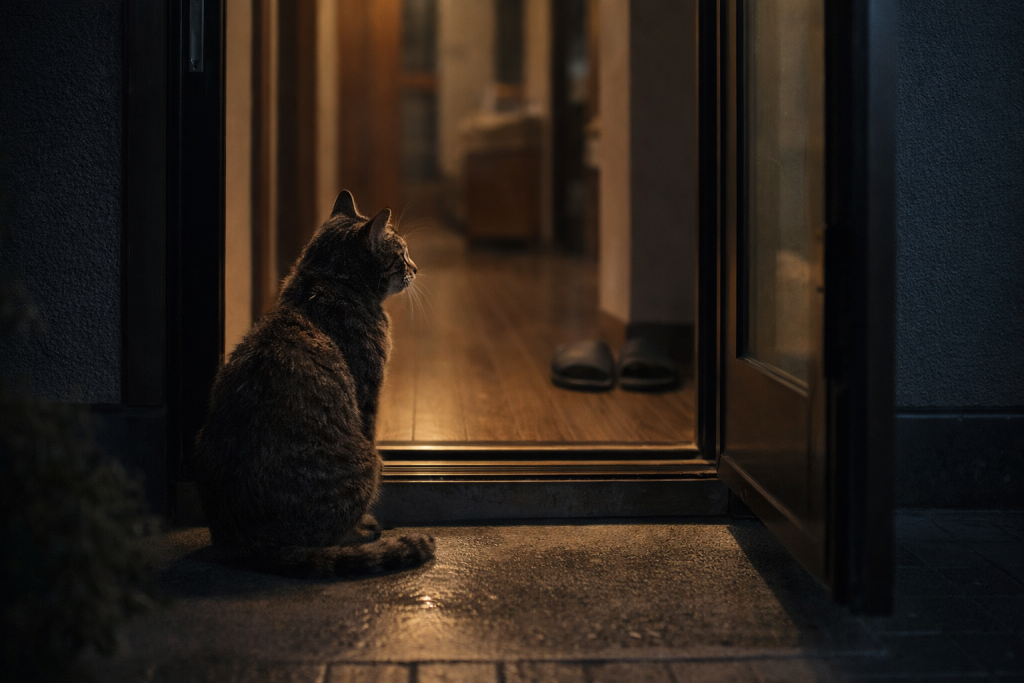
Two Cats, Same Family, Completely Different Personalities
We have two cats.
They came from the same litter—six kittens in a small basket.
We brought two of them home.
Even though they are brothers, they are completely different.
One looks like a silver tabby (often called “mackerel tabby” in Japan).
The other is a brown and black tabby (a “kijitora”).
Their personalities could not be more opposite.
- The silver tabby is cautious and shy
- The brown tabby is curious and bold
If we open the front door:
- One stays inside, afraid
- The other tries to go outside every time
So we always stayed careful.
The One Who Tried to Escape… and the One Who Stopped Him
Something interesting always happened.
When we came home, the curious one would run to the door and meow loudly.
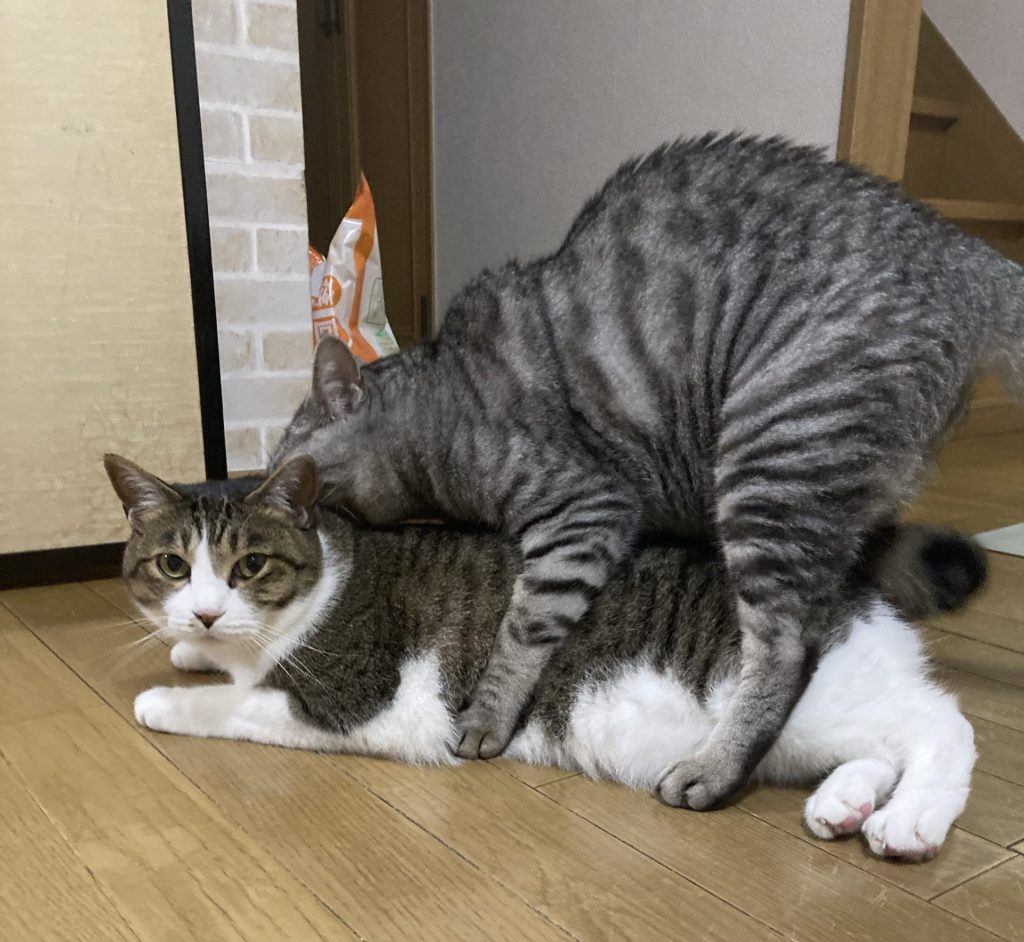
At that moment, the shy one would jump on him from behind and hold him down—
almost like trying to stop him from escaping.
It felt like he understood the danger.
The Day Everything Went Wrong
One day, the door didn’t close properly.
A shoe was stuck in the frame.
That small gap was enough.
The curious cat escaped.
The First Reaction: Panic
We searched everywhere.
For two days.
We walked around the neighborhood, calling his name.
We looked online for advice.
Nothing worked.
No clear answer.
No guaranteed way to find him.
We even considered:
- posting flyers
- using social media ads
- hiring someone to search
It felt hopeless.
What Changed Everything
Then I found one piece of information:
👉 Cats escape for two main reasons
① Stress (they want to leave)
- They hide
- They avoid people
- Hard to find
② Curiosity (they go exploring)
- They stay nearby or get lost
- They may try to come back
Our situation was clear.
This was not “running away.”
It was curiosity.
The Most Important Insight
Then I read something that changed my actions:
👉 “Cats try to return to the place they left from.”
That line stayed with me.
What I Did Instead of Searching
I stopped running around.
Instead, I waited.
At the entrance.
No more calling loudly.
No more chasing outside.
Just waiting.
The Moment He Came Back
After a few days, I opened the door.
He was there.
Dirty. Quiet. Watching.
He meowed once.
I said, “Come.”
He ran straight inside.
It had been three days.
What I Learned
Looking back, a few things matter:
- Cats often stay closer than you think
- Calling them outside doesn’t always work
- Chasing makes it worse
- Waiting can be more effective
Most importantly:
👉 They remember where home is
If Your Cat Escapes
Here are simple things that may help:
- Stay calm
- Check near your home first
- Avoid chasing
- Watch the exit point
And if possible:
👉 Wait near the place they escaped from
What NOT to Do When Your Cat Escapes
Many well-meaning actions can actually make the situation worse. When a cat escapes, avoiding these mistakes can increase the chances of bringing them back safely.
- Do not chase your cat
Running after your cat can scare them and push them further away. - Avoid loud calling or panic
Shouting or making sudden noise may cause your cat to hide instead of returning. - Don’t assume your cat went far
Most cats stay close to home and hide in quiet, nearby places. - Do not rely only on waiting
Waiting without taking action lowers the chance of finding your cat quickly. - Don’t give up too early
Some cats return after several hours or even days, so patience matters.
Staying calm and avoiding these mistakes can make a big difference in how quickly your cat returns.
Where Cats Usually Hide After Escaping
When a cat escapes, they usually do not go far. Most cats hide within a short distance from home, especially in quiet and dark places.
Common hiding spots include under cars, inside bushes, behind buildings, or in small gaps and corners. Indoor cats are especially likely to stay close because they are unfamiliar with the outside environment.
Searching nearby carefully and quietly is often more effective than looking far away.
For when you need it
When my cat went missing, I regretted not having bought something like this.
👉JNLIK pet Tracker for Android
This post may contain affiliate links. I may earn a commission at no extra cost to you.
Related Articles
If you are raising a cat, these may also help:
👉 Why Is My Cat Not Eating? (Real Experience)
👉 Is It Safe to Let Cats Outside in Japan?
Final Thoughts
That moment felt long.
But in the end, he came back.
Not because we searched harder—
but because we waited in the right place.
💬 Has your cat ever escaped?
💬 What did you do when it happened?