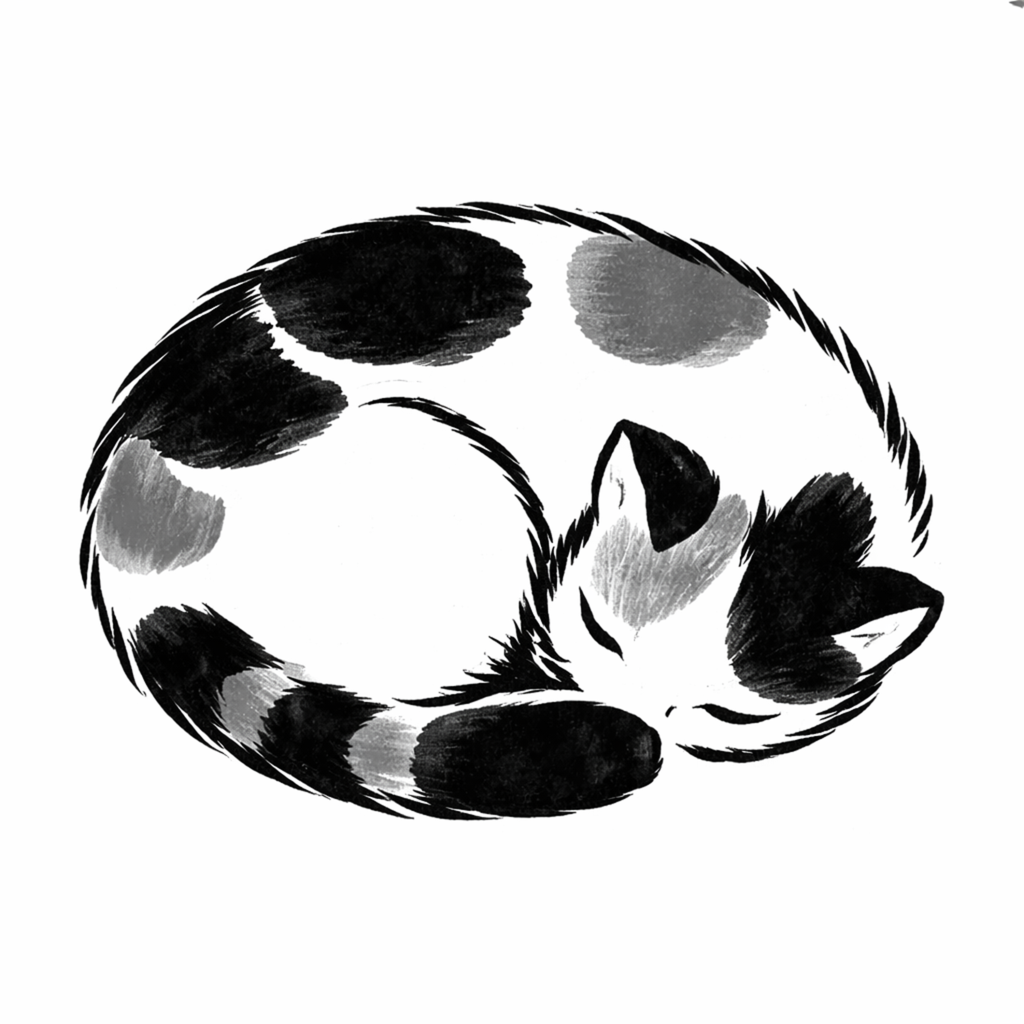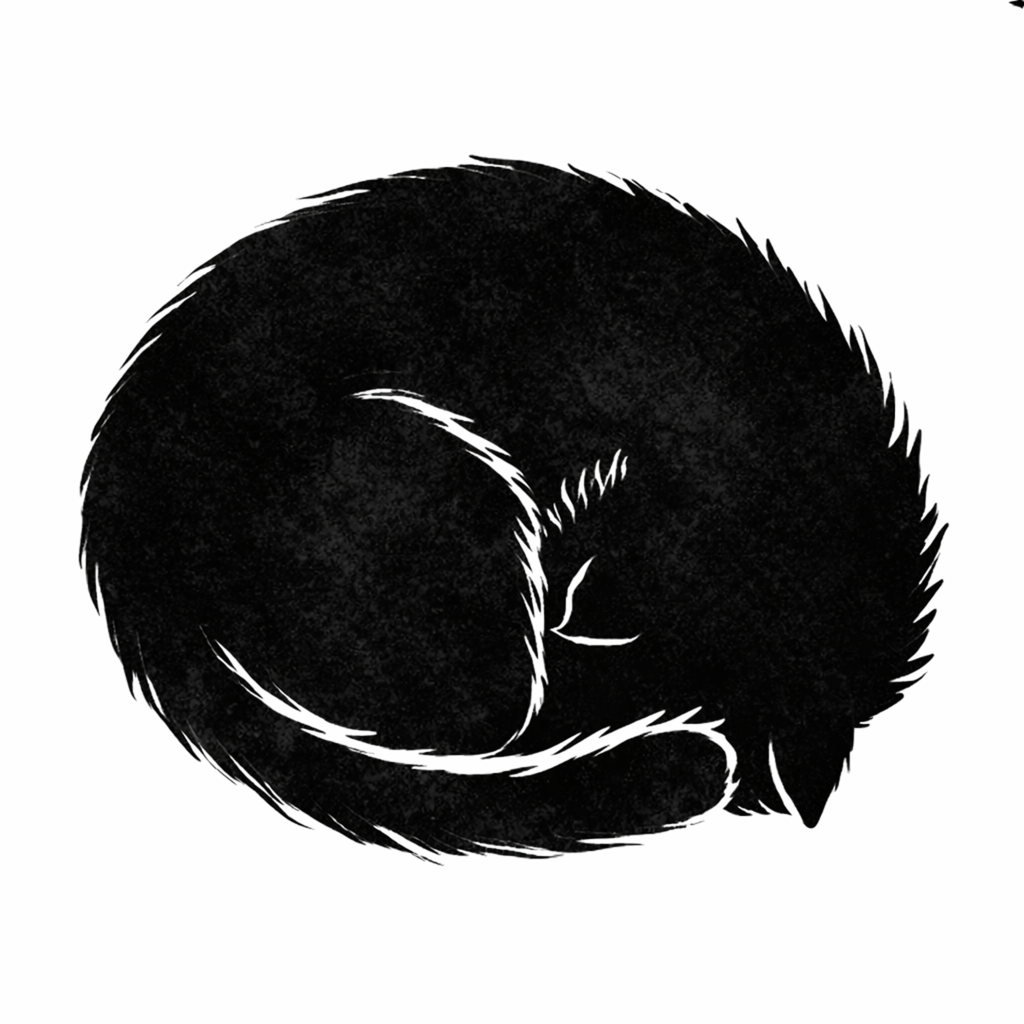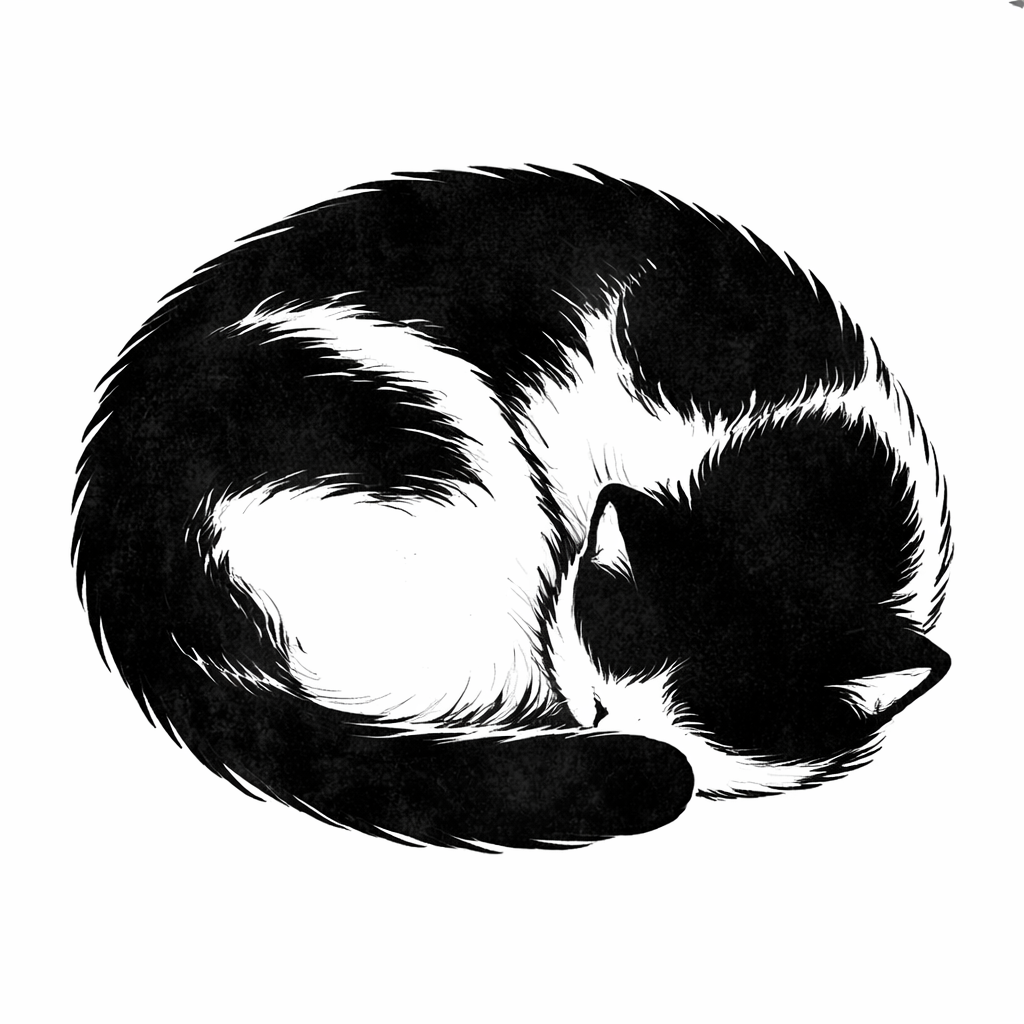
If you’ve spent any time looking at cat photos from Japan, you may have come across a curious word: “Anmonyaito” (あんもにゃいと).
At first glance, it sounds like something scientific—or even prehistoric. And in a way, it is. But in Japanese cat culture, it refers to something much softer, warmer, and undeniably cute.
This article explores what “Anmonyaito” really means, where it comes from, how it spread in Japan, and whether the term has made its way beyond Japanese audiences.
What Does “Anmonyaito” Mean?


“Anmonyaito” describes a cat curled into a tight, circular shape while sleeping—resembling the spiral fossil of an ammonite.
The term is a playful blend of:
- “Ammonite” (the fossil)
- “Nyan” (にゃん, the Japanese onomatopoeia for a cat’s meow)
In simple terms:
A cat sleeping in a perfect spiral = an “Anmonyaito”
This definition is consistently described across Japanese sources, where it is explained as a cat “curled up into a round shape like an ammonite”
Why Do Cats Become “Anmonyaito”?
This isn’t just about aesthetics—there are biological and behavioral reasons behind it.
1. Heat Retention
Cats curl into a tight ball to conserve body heat. This posture reduces exposed surface area and helps keep them warm, especially in colder seasons
2. Instinctive Protection
By tucking their limbs and face inward, cats protect vital organs. This posture reflects an instinctive behavior rooted in survival.
3. Comfort and Security
A tightly curled shape creates a sense of enclosure, which helps cats feel safe and relaxed.
In fact, this position is most commonly seen in autumn and winter, when temperatures drop and cats naturally seek warmth
How Popular Is “Anmonyaito” in Japan?
The term has been widely used in:
- Personal cat blogs
- Pet media sites
- Social media hashtags
- Illustrated merchandise and goods
Here are examples of Japanese blog posts that use and explain the term:
These blogs show that the term is not academic—it’s community-driven language, born from everyday observation and affection for cats.
Japanese pet media also treats the word as something many cat lovers recognize, describing it as a familiar and widely used expression among enthusiasts
“Anmonyaito” vs “Nyanmonite”
You may also encounter a similar word:
- Nyanmonite (ニャンモナイト)
Both refer to the same curled sleeping position.
The difference is mostly stylistic:
- “Nyanmonite” → more direct, descriptive
- “Anmonyaito” → more playful and commonly used in illustrations or product naming
Is “Anmonyaito” Known Outside Japan?


As of 2026, there is no strong evidence that “Anmonyaito” is widely recognized as a term outside Japan.
However:
- The pose itself is universally recognized
- English-speaking communities describe it as:
- “curled-up cat”
- “cat in a ball”
- sometimes “cinnamon roll cat” (informal)
So while the visual is global, the word “Anmonyaito” remains culturally specific to Japan
Products and Merchandise Inspired by “Anmonyaito”
The popularity of the term has influenced product design, especially in Japan.
Examples include:
- Round cat beds designed to encourage curling
- Furniture inspired by spiral shapes
- Cat-themed illustrations and prints using the word
Some Japanese sites even market furniture and decor using the “Anmonyaito” concept, showing how the term has moved from slang into commercial branding
Why This Word Captures Japanese Cat Culture So Well
“Anmonyaito” reflects a broader pattern in Japanese language and culture:
- Combining scientific or formal words with cute expressions
- Observing small everyday moments and naming them
- Turning behavior into shared cultural vocabulary
It’s not just a description—it’s a lens for appreciating cats
Final Thoughts
“Anmonyaito” is a perfect example of how language, culture, and affection intersect.
It takes something ordinary—a sleeping cat—and reframes it as something poetic, visual, and memorable.
Even if the word hasn’t fully spread internationally, the image it represents already has.
And once you know the term, you’ll never look at a curled-up cat the same way again.