
A gentle guide to choosing the right feeder for your kitten
What Is the Best Automatic Feeder for Kittens?
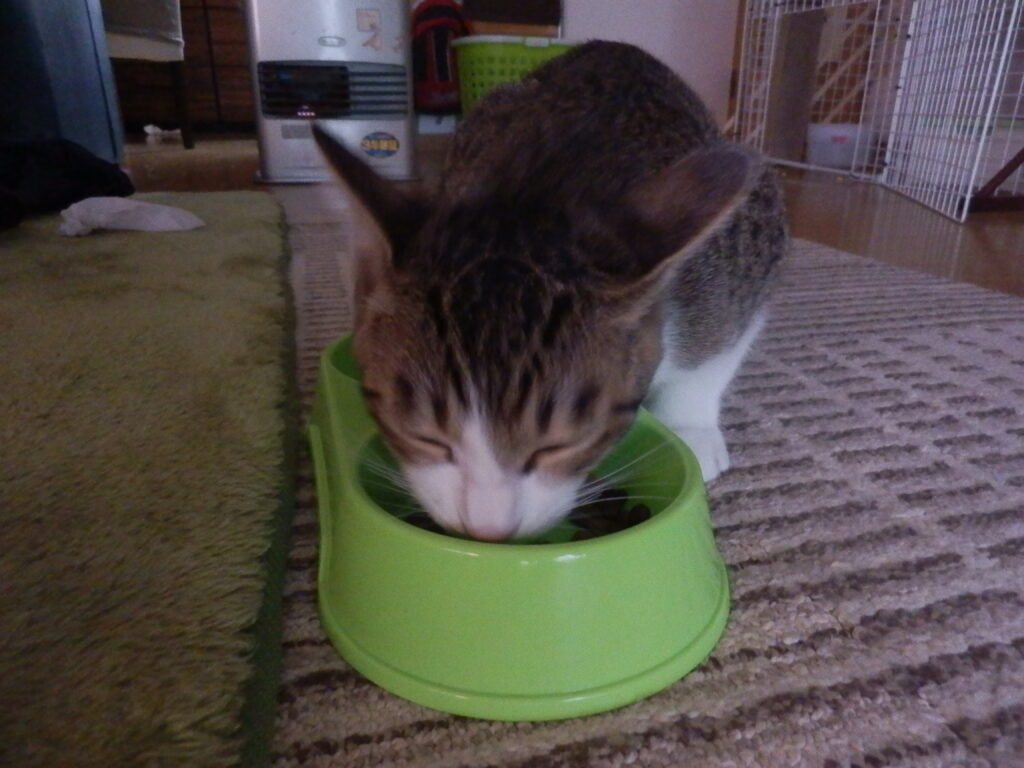
Do kittens really need an automatic feeder?
Have you ever wondered if a kitten really needs an automatic feeder?
Or is it something only busy owners rely on?
In Japan, feeding a cat is often more than just giving food.
It’s part of daily care—almost like raising a child.
So when you are not at home,
can a machine support that care… without replacing it?
When might an automatic feeder be useful?
Kittens, especially when young, are usually fed small meals several times a day.
But what if:
- You are at work
- Your schedule changes
- You want consistent feeding times
In these situations, an automatic feeder can help maintain a stable routine.
Consistency matters—not just for convenience, but for your kitten’s health.
What should you look for in a kitten feeder?
Not all feeders are the same.
Here are a few things that matter:
1. Portion control
Kittens need small, controlled portions.
Overfeeding can lead to health problems.
2. Feeding schedule
Can you divide meals throughout the day?
Flexibility is important for growing kittens.
3. Safety and stability
Kittens are curious.
A stable design helps prevent accidents.
4. Ease of cleaning
Clean equipment is essential.
Food residue can quickly become unsafe.
Types of automatic feeders
Instead of focusing only on “the best,”
it’s helpful to understand the types available:
Simple timer feeders
- Easy to use
- More affordable
- Good for fixed routines
Smart feeders (app-controlled)
- Control via smartphone
- Flexible scheduling
- Useful for unpredictable schedules
Gravity feeders
- No electronics
- Food refills automatically
- But portion control is limited
A personal perspective (before buying one)
I have never purchased an automatic feeder myself.
So this is not a product review—
but rather a personal way of thinking about feeding.
For me, feeding time is one of the most important moments between a cat and its owner.
When a cat asks for food,
that moment is communication.
It’s not just about nutrition—
it’s part of building trust.
Because of that, I believe:
If someone is always too busy to feed their pet,
it might not be the best situation for the cat.
That may sound a bit strict,
but it comes from caring about their well-being.
When I would consider using one
That said, I do understand their usefulness.
If I were to buy one,
I would not use it all the time.
Instead, I would use it only when:
- I cannot be home
- My schedule temporarily changes
- I need support—not replacement
Because feeding is also a way to notice small changes.
- How much they eat
- How fast they eat
- Whether their appetite changes
These are important signs of health.
A machine cannot fully replace that awareness.
Practical options worth considering
Even with that perspective, some modern feeders are designed not to replace care—but to support it.
Here are a few types that align with different needs:
🐾 Smart monitoring feeder (PETLIBRO PLAF203)
This type of feeder allows you to check your cat while they eat.
For someone who values observation and connection,
this feature feels surprisingly meaningful.
Even when you’re away, you can still notice:
- Eating behavior
- Appetite changes
- Subtle habits
It’s on the higher-end side,
but personally, I find this kind of feature very interesting.
If I had the budget, I would be curious to try it—
not just for convenience, but for awareness.
🐾 Multi-cat controlled feeder (PETLIBRO PLAF301)
For households with more than one cat, feeding can become complicated.
This model uses collar-based sensors, allowing each cat to access only their own portion.
That means:
- No food stealing
- Individual portion control
- Less stress between cats
Honestly, this is a surprisingly thoughtful solution.
It solves a problem that many cat owners quietly struggle with.
🐾 Wi-Fi controlled feeder (PETLIBRO PLAF103)
This is probably the most practical option for everyday use.
With smartphone control, you can:
- Set feeding schedules remotely
- Adjust portions easily
- Stay flexible when plans change
For people with busy or unpredictable routines,
this kind of control can make daily care much smoother.
Additional items worth considering
While choosing an automatic feeder, it’s also worth thinking about small additions that can improve daily use.
🐾 Desiccant packs for PETLIBRO feeders
If you are using a PETLIBRO feeder, these desiccant packs can help keep dry food fresh by reducing moisture inside the container.
It’s a small detail, but it can make a difference—especially in humid environments.
Since they are compatible with multiple PETLIBRO models,
this is the kind of item you might want to purchase together with the feeder.
🐾 Automatic wet food feeder (PETLIBRO PLAF109)
Most automatic feeders focus on dry food, but this model is designed specifically for wet food.
What makes it interesting is that it can preserve wet meals for up to 3 days, which is quite impressive.
I recently started paying more attention to wet food feeding,
and this kind of idea honestly feels innovative.
For those who want to expand beyond dry food routines,
this could be a very interesting option to try.
A small note on choosing extras
Accessories and alternative feeders are not essential,
but they can improve your feeding setup depending on your needs.
Sometimes, small improvements make daily care smoother and more comfortable—for both you and your kitten.
Downsides to consider
Before choosing an automatic feeder,
it’s worth thinking about the trade-offs:
- Less interaction during feeding time
- Risk of not noticing appetite changes
- Requires regular cleaning and checking
Feeding is not just a task—
it’s part of your relationship.
A balanced approach
In Japan, many cat owners take a balanced approach:
- Use tools when necessary
- But stay involved daily
- Observe small changes
- Keep feeding personal
The tool supports care—
but does not replace it.
Where to explore options
If you are considering an automatic feeder,
you can explore some options here:
👉 Check automatic feeders on Amazon
Final thoughts
Do you need an automatic feeder?
Or do you simply need a better routine?
There is no single correct answer.
It depends on your kitten,
and your lifestyle.
But one thing remains constant:
Care should always stay personal.
This post may contain affiliate links. I may earn a commission at no extra cost to you.