
How to care for a kitten is one of the most important things new cat owners need to learn.
How Are Kittens Raised in Japan?
A gentle guide to caring for a 0–12 month old cat
Is raising a kitten the same everywhere?
Is the way you care for a kitten the same in every country?
Or could small, quiet differences exist?
In Japan, many people don’t see cats only as “pets.”
They are often treated like family—almost like a child in the home.
Does that change the way they are cared for?
Let’s take a closer look.
What do people in Japan call cat food?
Do you usually say “cat food”?
In Japan, many people say “gohan” (ご飯)—
the same word used for human meals.
Does that make feeding feel different?
During mealtime, owners often speak softly:
“Let’s eat your gohan.”
Feeding is not only about nutrition.
It can also be a moment of connection.
Basic feeding practice
- Kitten-specific meals designed for growth
- Several small meals per day, especially when young
- Fresh water always available
And something else:
Owners often observe carefully.
Is the kitten eating normally?
Is anything different today?
Indoor life… or going outside?
Do kittens in your country go outdoors?
In Japan, most cats are raised indoors.
Why is that?
- Safety from traffic
- Reduced risk of disease
- A more controlled environment
Homes in Japan are often compact.
So instead of space, people focus on comfort and stability.
Typical setup:
- A clean litter box
- A soft place to rest
- A scratching post
- Quiet areas to relax
Is comfort more important than size?
If you are preparing for your kitten,
you may also want to explore feeding options:
→ Best Automatic Feeders for Kittens
Do people talk to their cats?
Do you speak to your kitten?
In Japan, many people do—frequently.
And often, in a gentle way.
Some use soft, baby-like language:
“You’re a good baby.”
“You’re so cute.”
Why speak this way?
Perhaps it helps create a calm, trusting atmosphere.
Even simple words, repeated softly,
can become part of daily bonding.
Are cats seen as pets… or family?
What role does a cat have in your home?
In many Japanese households,
cats are part of everyday life.
Not separate. Not distant.
Owners often:
- Notice small changes in behavior
- Adjust the environment for comfort
- Avoid loud or sudden noise
Is care only physical?
Or is emotional comfort just as important?
A real story: the day two kittens came into our home
In my case, everything started with a simple message.
“A kitten was born. We’re looking for someone to adopt.”
At the time, our family had four members—two children included.
They were still young, and when they said “we want cats,”
we couldn’t say no.
So we made a promise:
“If we bring them home, you must take care of them.”
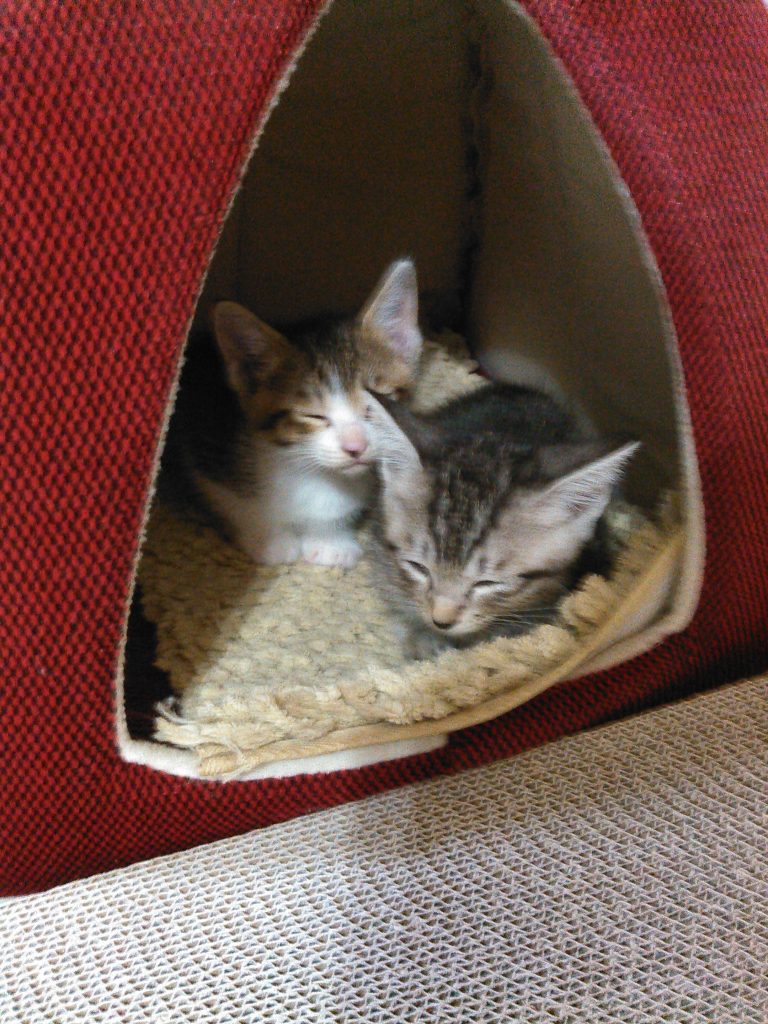
Each child chose one kitten.
And that’s how we welcomed two cats into our home.
But the reality was different.
Of course, the children loved them.
But feeding, cleaning the litter box, and daily care—
those responsibilities slowly became the adults’ role.
We expected that from the beginning.
Still, sometimes,
it made me want to scold them a little.
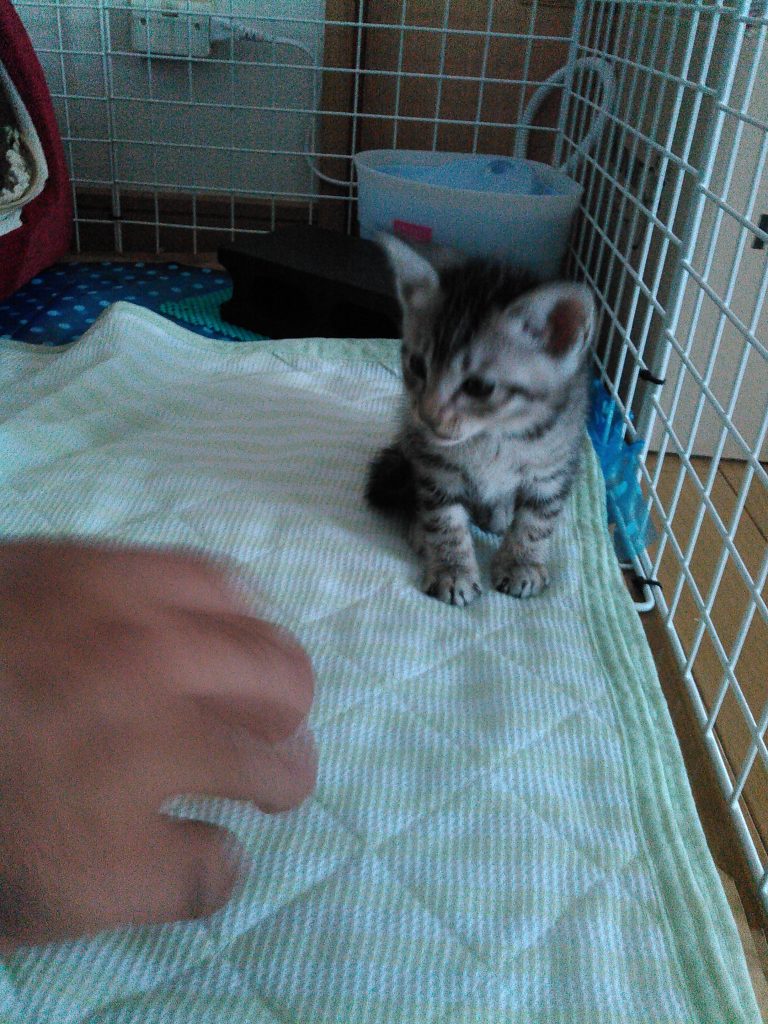
Creating a space… that lasted only three days
Before bringing them home,
we tried to prepare carefully.
Using simple wire panels and cable ties,
we created a small enclosed space in the living room.
Inside that area, we placed:
- A litter box
- A sleeping area
- Food and water
The idea was to create a safe, controlled environment.
But…
it lasted only three days.
They jumped over it.
Just like that,
our entire home became their territory.
What surprised me the most
Even though they escaped the enclosure,
something interesting happened.
At night,
they returned to that space on their own.
They chose it.
That moment made me realize something:
Cats understand more than we think.
They remembered where their “safe place” was.
Because of that,
I now believe this setup actually helped with:
- Litter training
- Feeding routine
- Creating a sense of home
Even if it didn’t work as a physical barrier,
it worked as a psychological one.
What cats bring into a home
Of course, it’s not always easy.
There are responsibilities.
There is effort.
But there is something else, too.
Because of them:
- Our family smiles more
- Difficult days feel a little softer
- The house never feels empty
Even in hard moments,
they become a quiet form of comfort.
A quiet balance
Caring for cats takes time.
Sometimes patience.
Sometimes compromise.
But in return,
they give something that is difficult to explain.
Not just companionship.
Something calmer.
Something deeper.
How important is cleanliness?
How often do you clean your kitten’s space?
In Japan, cleanliness is taken seriously.
Litter boxes are:
- Cleaned regularly
- Placed in quiet locations
- Maintained to reduce stress
A clean environment is not just practical—
it is part of caring itself.
Do kittens need daily play?
Even indoors, kittens need movement.
In Japan, playtime is often:
- Gentle
- Short
- Repeated daily
Common toys:
- Feather toys
- Small balls
- Simple interactive items
Is play only exercise?
Or could it also be a way to communicate?
What does a day look like?
Does your kitten have a routine?
In Japan, daily care often follows a calm rhythm:
- Morning “gohan”
- Cleaning the litter box
- Short playtime
- Rest
- Evening feeding
- Quiet interaction
Nothing rushed.
Nothing forced.
Just a steady flow.
So… is it really different?
The items may be the same.
Food. Litter. Toys.
But what about the feeling?
In Japan, kitten care often includes:
- Gentle communication
- Careful observation
- Emotional closeness
Not only raising a cat—
but living together.
Final thoughts
How do you care for your kitten?
Is your approach practical? Structured?
Or is there space for something softer?
In Japan, care is often found in small actions:
A quiet voice.
A clean space.
A moment of attention.
Could those small things matter more than they seem?
This article is based on commonly observed pet care practices in Japan and is intended for informational purposes.
If you are preparing for your kitten,
you can also check recommended items here:
- → Best Automatic Feeders for Kittens
- → Best Cat Toys for Indoor Kittens
- → Best Cat Water Fountains for Kittens
- →How to Train a Kitten to Use a Litter Box
This page was translated and edited by chatGPT on my behalf, as I don’t understand English. I hope the content is conveyed well and that it will be of some help to everyone. How do you interact with cats in your country? Are your raising methods and experiences similar to mine? I would be very happy if you could relate, as we are both cat lovers. BY Nekoneko