
A gentle guide to helping your kitten learn calmly
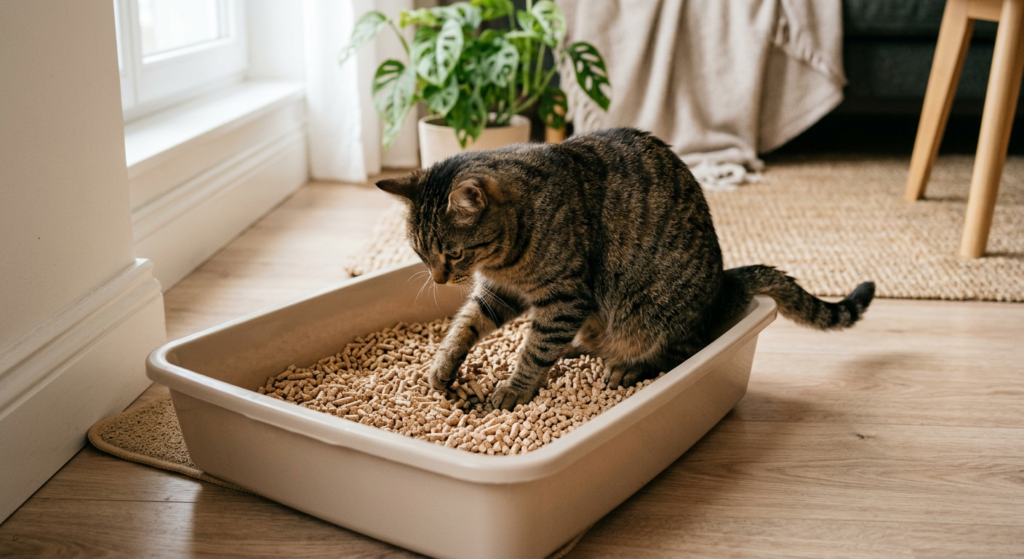
Why won’t my kitten use the litter box?
Is something wrong?
Or is it simply part of learning?
In many cases, kittens are not refusing—
they are just discovering something new.
In Japan, litter training is often approached quietly.
No pressure.
No force.
Just small guidance, repeated over time.
Author’s note
This guide is based on real experience from raising two kittens.
About 11 years ago, two kittens came into our home at the same time.
At first, everything felt uncertain.
But looking back, one thing became clear:
👉 Kittens learn faster than we expect—
if we guide them in the right environment.
Step 1: Create a small, safe space first
When our kittens arrived, we built a small area using wire panels.
- Size: about 1 tatami mat (roughly a single bed size)
- Inside:
- Bed
- Water bowl
- Food tray
- Litter box
At first, the idea was to keep them there.
But within 3 days, they jumped over the barrier and explored the whole house.
Still, something interesting happened:
👉 They kept returning to that space to sleep.
This showed us something important:
👉 Cats quickly recognize their “safe place”
Step 2: Use scent to guide behavior
We placed a towel with their mother’s scent in their bed.
They immediately understood:
👉 “This is where I belong”
The same principle works with litter.
Once one kitten successfully used the litter box,
the smell helped them recognize:
👉 “This is the correct place”
From that point, they started going on their own.
Step 3: Gentle repetition works
After meals, we gently placed them in the litter box.
Not forcing—just guiding.
After a few attempts:
- One kitten succeeded
- The other followed soon after
👉 Once they understand once, they often remember
Cats are more observant than they appear.
Step 4: Cleaning matters (but not too perfectly)
Cleaning is important.
But one mistake beginners make is:
👉 removing ALL scent
In reality:
- Leave a small trace at first
- This helps kittens recognize the location
Over-cleaning can reset their understanding.
Step 5: Choosing litter – cost vs performance
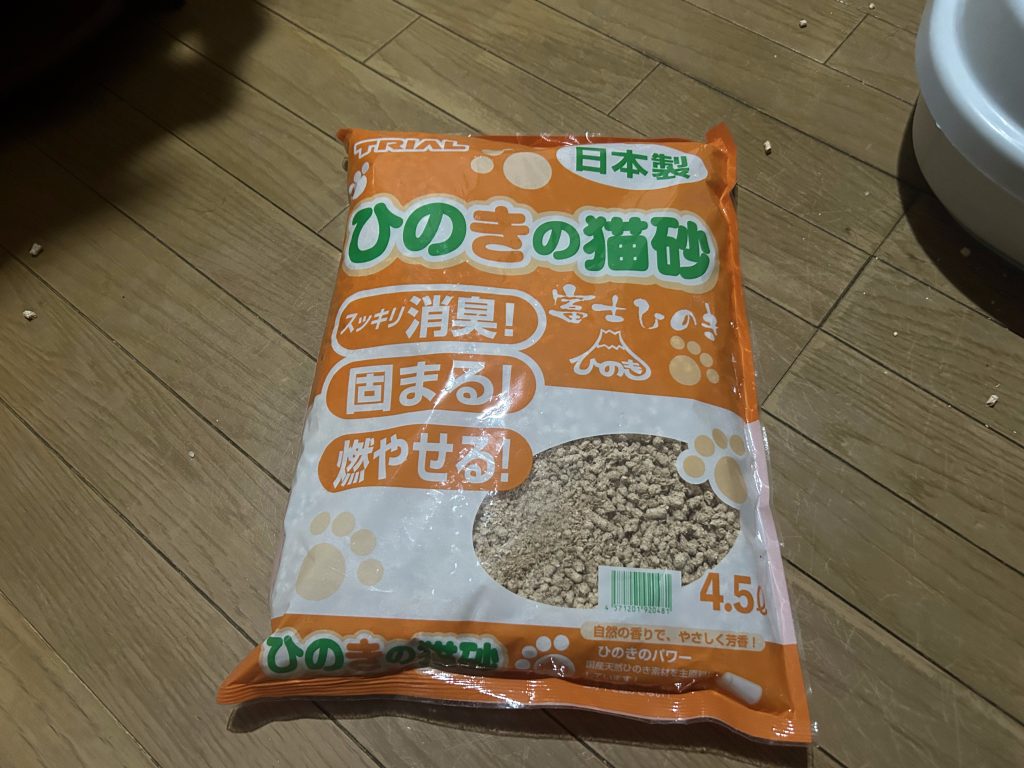
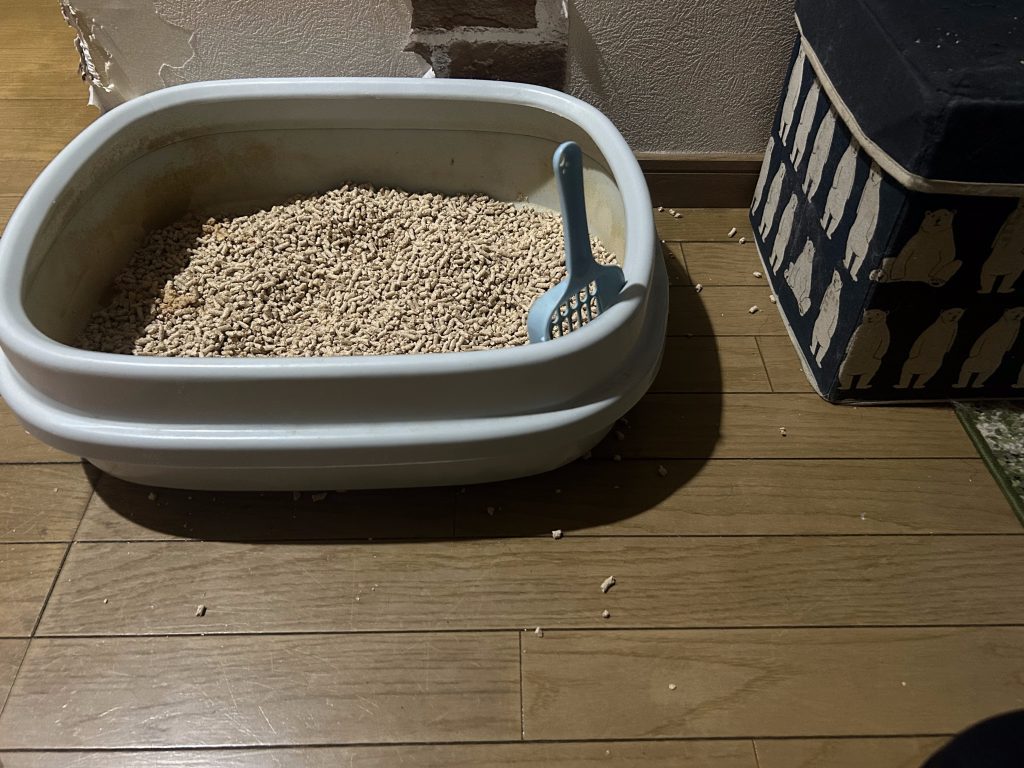
In our case (Japan):
- Cheap litter: ~4.5kg per bag
- Monthly use: about 10 bags
- Cost: around ¥2,000/month
Differences:
Higher-end litter:
- Clumps well
- Better odor control
- Often brand-specific systems
Budget litter:
- Works fine
- More scatter
- Requires more frequent cleaning
We chose the budget option and compensated with effort.
👉 More cleaning, lower cost
A mistake we made (and learned from)
We once bought a high-end smart litter box:
- Camera tracking
- Health monitoring via app
- Advanced features
But…
We never used it.
Why?
👉 Running costs were too high
With two cats, it would double.
The system itself was impressive.
But not practical for our lifestyle.
Important: Kittens grow fast
One thing worth knowing:
👉 Kitten litter boxes don’t last long
Within a year, most cats outgrow them.
So instead of buying expensive setups early:
👉 Start simple, upgrade later if needed
What if accidents happen?
It will happen.
Don’t react loudly.
Instead:
- Clean quietly
- Keep routine consistent
- Guide again
👉 Consistency matters more than correction
Does feeding affect litter habits?
Yes.
Routine feeding creates predictable behavior.
You can learn more here:
→ How Often Should You Feed a Kitten? (Complete Guide 2026)
Setting up a full environment
Litter training works best when the environment is stable.
If you’re preparing your kitten’s space, you may also find these helpful:
→ Best Automatic Feeders for Kittens (2026 Guide)
→ Best Cat Water Fountains for Kittens (2026 Guide)
→Best Automatic Cat Litter Boxes (2026 Guide)
Final thoughts
Looking back, it felt like we were training them.
But sometimes…
👉 it felt like they were training us
Kittens learn quickly.
Not through pressure,
but through quiet repetition.
In many Japanese homes, that approach is common.
Small guidance.
Daily rhythm.
That may be enough.
FAQ
Q. How long does litter training take?
Some kittens learn in a few days. Others take longer.
Q. What if my kitten keeps failing?
Check environment, cleanliness, and timing.
Q. Should I buy an expensive litter system?
Not necessary at first. Start simple.
This page was created with the help of AI, as I am not fluent in English.
I have carefully reviewed and edited it to make sure the content is as clear and helpful as possible.
I hope it can be useful to you.
How do you live with cats in your country?
Are your experiences similar to mine?
If you felt something familiar while reading this,
I would be very happy—because it means we share the same love for cats.
— Nekoneko