
How to Use a Cat Carrier Safely and Comfortably
A good cat carrier can make travel safer, reduce stress, and keep your cat comfortable.
If you live with cats, a carrier is something you will need—whether you like it or not.
As an Amazon Associate, I earn from qualifying purchases.
I live in Japan and have two cats.
They are brothers and have been with me since they were kittens.
Now they are both 10 years old.
Even though they grew up together, their personalities are completely different.
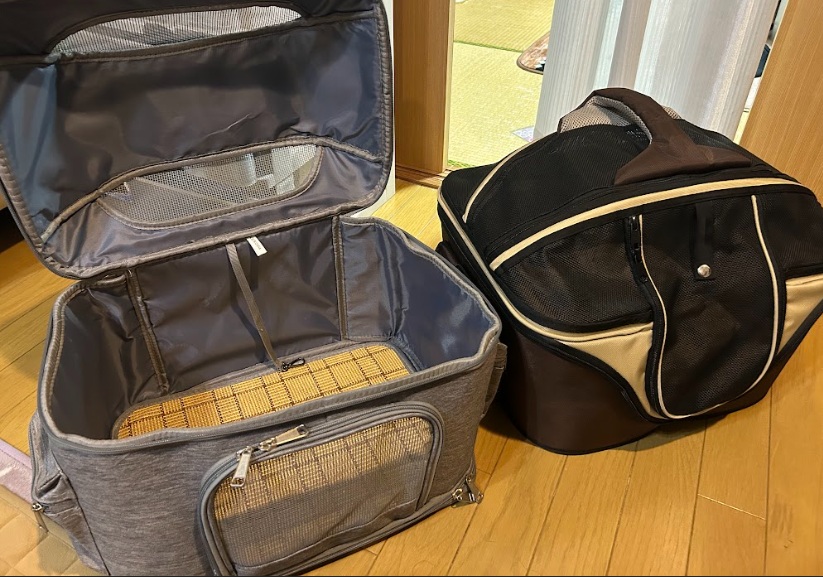
Brand name: IRIS PLAZA Model: PC-S002 S BR
I’m currently using this; it’s sturdy, lightweight, and just the right size for me.
Manufacturer: CHINSUKIDA Brand: CHINSUKIDA
The specifications are slightly different in shape from mine, but they are roughly the same.
Two Cats, Two Opposite Personalities
One of my cats is very shy and easily frightened.
The other is curious and always interested in what’s happening around him.
Most of their lives are spent indoors.
However, we still need a cat carrier for important moments, such as:
- Health checkups
- Vet visits
Over the years, I have replaced their carrier about three times.
Looking back, I honestly regret not buying a good one from the beginning.
My Biggest Mistake When Choosing a Carrier
When I first got my cats, I bought a small and inexpensive carrier.
At that time, I only thought about bringing home two kittens.
I didn’t think about the future.
As they grew bigger—and heavier—that carrier quickly became inconvenient.
The material was cheap, the space was small, and it didn’t last long.
If I had chosen a high-quality, larger carrier from the start,
I could have used it for more than 10 years without any problem.
Getting Them Into the Carrier Is Not Easy
Putting cats into a carrier sounds simple, but in reality, it can be very stressful.
My curious cat once escaped outside before, so he is always interested in going out.
I use that to my advantage.
I carry him outside (for example, to the car),
and then gently place him into the carrier there.
This method works surprisingly well.
However, my shy cat is a completely different story.
He hates the carrier and runs away as soon as he sees it.
If I fail to get him inside on the first try,
it turns into a chase around the house.
At that point, it feels like a game of tag involving the whole family.
Stress and Safety During Transport
Cats don’t understand what we are trying to do.
When I take my shy cat outside,
he cries continuously and trembles.
It’s clear that he is very scared.
Because of this, I try to finish everything quickly and calmly.
Also, there have been times when I got scratched while trying to put him inside.
So safety—for both the cat and the owner—is very important.
What I Learned About Choosing the Right Carrier
After several experiences, I now focus on a few key points:
- A wide entrance (this makes a big difference)
- Strong and durable material
- Enough space for a full-grown cat
- Weight capacity (especially important since my cats are a bit overweight)
A larger opening makes it much easier to place a cat inside quickly,
which reduces stress for everyone.
Best Cat Carrier Tips for Stress-Free Travel
If you’re comparing options, this guide may help:
Choosing the right cat carrier is important for safety, comfort, and travel convenience.
👉Best Cat Carriers (2026 Guide)
Why Investing in a Good Carrier Matters
A good carrier is not something you replace often.
If you choose a solid, well-designed one,
it can last for many years.
In my case, I ended up buying multiple carriers over time,
which probably cost more in total.
Now I believe this:
It’s better to spend a bit more at the beginning and choose a reliable carrier.
Using a cat carrier properly can reduce stress for both you and your cat.
Related Tips for Cat Owners
If you are preparing for daily cat care, these articles may also help:
👉 How to Care for a Kitten (0–12 Months)
👉 Why Is My Cat Not Eating?
Final Thoughts
Using a cat carrier is something every cat owner has to deal with.
But the experience can be very different depending on:
- Your cat’s personality
- The type of carrier you use
- How you handle the situation
From my experience, the most important things are:
- Choose the right size from the beginning
- Use a carrier with a wide opening
- Stay calm and act quickly
A small decision at the beginning can make the next 10 years much easier.
Your future self—and your cat—will thank you.